



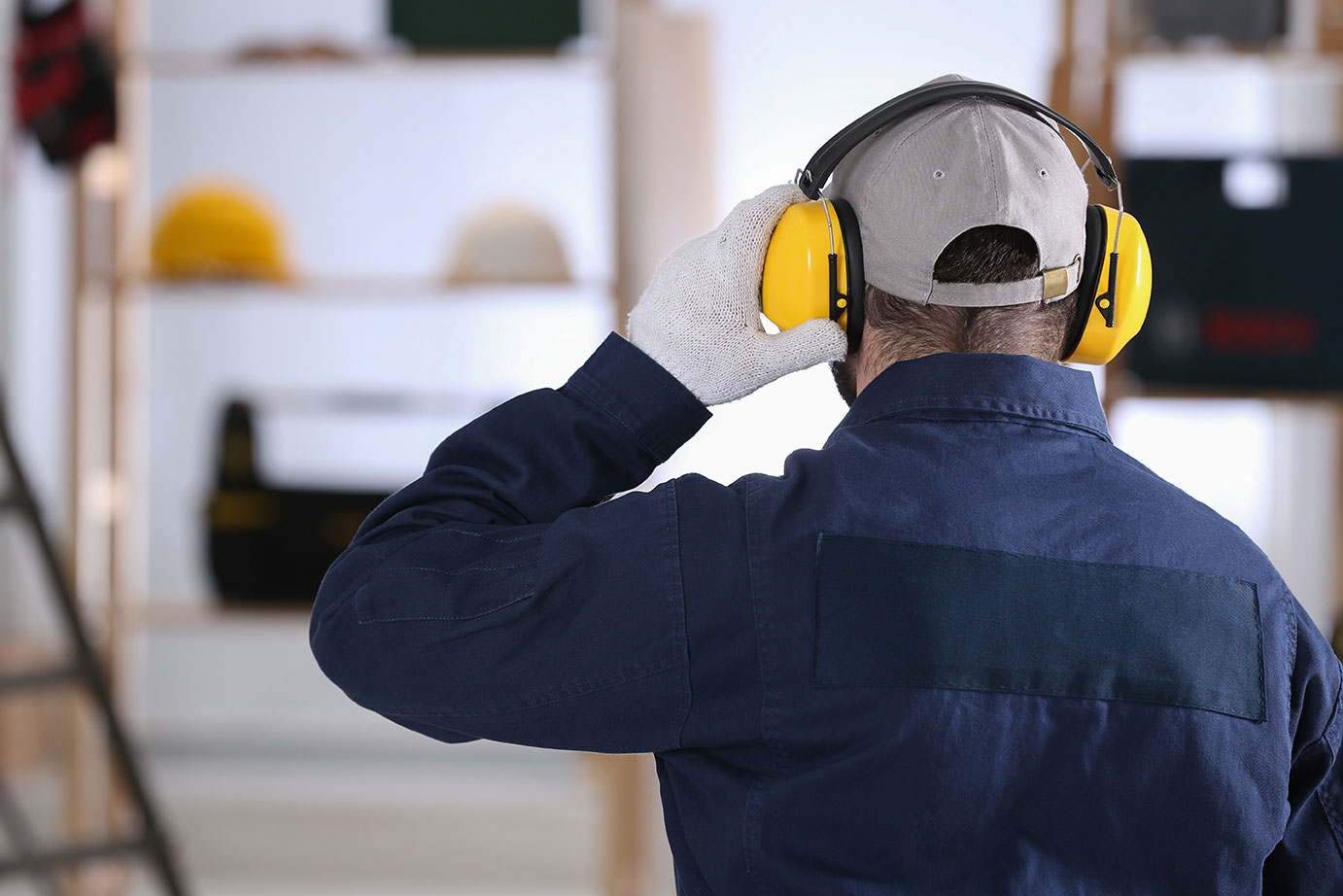
Active vs. Passive Hearing Protection: What’s the Difference?
By Grainger Editorial Staff 12/19/23
Learn the key differences between active and passive hearing protection and when to use each based on jobsite noise and communication needs.
Millions of workers face hearing hazards annually across industries like construction, manufacturing and warehousing. To help reduce workplace noise, employers should start with administrative and engineering controls like relocating loud equipment or using quieter tools. If the workplace is louder than 85 decibels on average over eight hours, however, OSHA also requires employers to provide hearing protection and establish a hearing conservation program.
Hearing protection devices (HPDs) fall into two main categories: active and passive. Use the following guide to understand the key differences between active and passive protection, the variations within each category and the important features to consider.
Understanding Active vs. Passive Devices
Active devices, or electronic hearing protection, use digital components to suppress surrounding noises while allowing the user to hear normally. Passive devices, like earplugs, act as barriers blocking or absorbing noise without electronics.
Types of Noise Reduction
There are three main types of noise reduction technologies used in HPDs:
Conventional Attenuation: This type provides the same level of noise reduction regardless of the noise level to help provide consistent protection throughout the day.
Level-Dependent Attenuation: Noise reduction varies based on the noise level and can be passive (non-electronic) or active (electronic). It offers protection from high, variable noise conditions and impulse noises from pneumatic tools or arc flashes.
Flat or Uniform Attenuation: This type helps reduce low and high-frequency sounds by maintaining a more natural sound quality. It can be useful for employees with lower noise exposures and is often used by musicians.
How Does Active Noise-Cancelling Technology Work?
Active hearing protection uses electronic components that continuously monitor the surrounding environment for loud sounds. When a sudden increase in noise is detected, internal mechanisms help reduce the intensity of the sound before it reaches the ears. This real-time adjustment effectively protects against damaging sounds without compromising the user’s ability to hear softer sounds in their environment.
Active Hearing Protection: Electronic Earmuffs, Earplugs & Communication Headsets
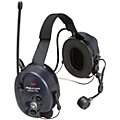
One common example of active hearing protection is the electronic earmuff. These earmuffs typically feature built-in microphones that pick up ambient sounds and speakers that deliver them to the user at a safe volume. When a loud noise is detected, the electronic system instantaneously dampens the sound, preventing it from reaching harmful levels. They are particularly useful in environments where workers need to communicate and remain aware of their surroundings while still being protected from sudden loud noises.
Over-the-head electronic earmuffs are frequently worn when hard hats and face shields aren’t required. Active noise-suppressing technology can also be turned off. Additionally, noise-reducing communication headsets and electronic earplugs help workers stay in touch while protecting their hearing in loud environments. These devices connect to radios or communication tools, allowing hands-free communication and privacy during conversations.
Passive Hearing Protection: Foam Earplugs and Earmuffs
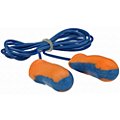
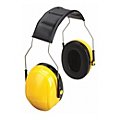
Passive protection relies on physical materials to block or absorb sound. Foam earplugs, for example, are designed to fit snugly into the ear canal, creating a barrier that helps reduce surrounding noise. Similarly, earmuffs use sound-absorbing materials to block and decrease noise. Many styles of earmuffs are available, from hard-hat mounted and over-the-head to behind-the-neck to help keep workers comfortable when additional PPE equipment like face shields and respirators need to be worn.
Considerations When Choosing Hearing Protection
Performing a risk assessment of the existing noise hazard in your workplace is a critical first step to help you determine the right ear protection for your work environment. Evaluate your workplace according to the following factors:
Noise Level and Frequency: Consider the specific noise levels and frequencies encountered in the work environment. Active protection is best for scenarios where sudden loud noises are prevalent, while passive protection is suitable for consistent, lower-level noise.
Protection Type: Determine the type of hearing protection needed. General-purpose hearing protection devices focus solely on hearing protection, using sound-absorbing materials without additional features. Electrically insulated devices are designed to prevent arcing near live electrical circuits by using non-conductive materials or coatings.
Communication Needs: Evaluate the necessity of on-the-job communication. With its ability to amplify ambient sounds and connect to phones and radios, active protection is important in environments where verbal communication is critical to worker safety.
Comfort and Fit: Both active and passive protection options come in various designs and sizes to fit the unique shape of each person’s ears. Comfort and proper fit are essential for effective noise reduction. Occupational Health & Safety notes that even a small gap between the earplug and the ear canal can significantly reduce the noise reduction provided, despite a high Noise Reduction Rating (NRR) indicated on the packaging.
Battery Life and Maintenance: It’s important to consider battery life and maintenance requirements for electronic earmuffs and other active protection devices. Ensuring the battery life lasts over extended periods is important for optimal safety.
Regulatory Compliance: Get to know the OSHA regulations and standards regarding hearing protection. Following the standards helps ensure your hearing protection meets the necessary safety requirements for your specific work environment.
Ultimately, the choice between active and passive hearing protection boils down to the specific demands of the work environment and worker preferences. Understanding the differences can help you make informed decisions and contribute to a safer workplace. Use the chart below to help compare the types of hearing protection.
| Passive Hearing Protection | Active Hearing Protection | |
|---|---|---|
|
Functionality |
Physically blocks sound waves from entering the ear canal |
Uses electronics to block harmful noise while allowing certain sounds to pass |
|
Advantages |
Inexpensive and widely available |
Allows the user to hear important sounds while protecting hearing |
|
|
Easy to use and maintain |
Comfortable for extended wear |
|
|
Provides good noise reduction in high-noise environments |
Suitable for various environments like construction and manufacturing |
|
Disadvantages |
Blocks out all sound, including important warning signals |
More expensive than passive protection |
|
|
Can be uncomfortable for extended periods |
Requires batteries or a power source |
|
|
Doesn't amplify ambient sounds |
May not provide as much as noise reduction as passive protection in extremely loud environments |
|
Applications |
General high-noise environments where communication isn't critical |
Useful in construction and industrial settings where communication and situational awareness are essential |
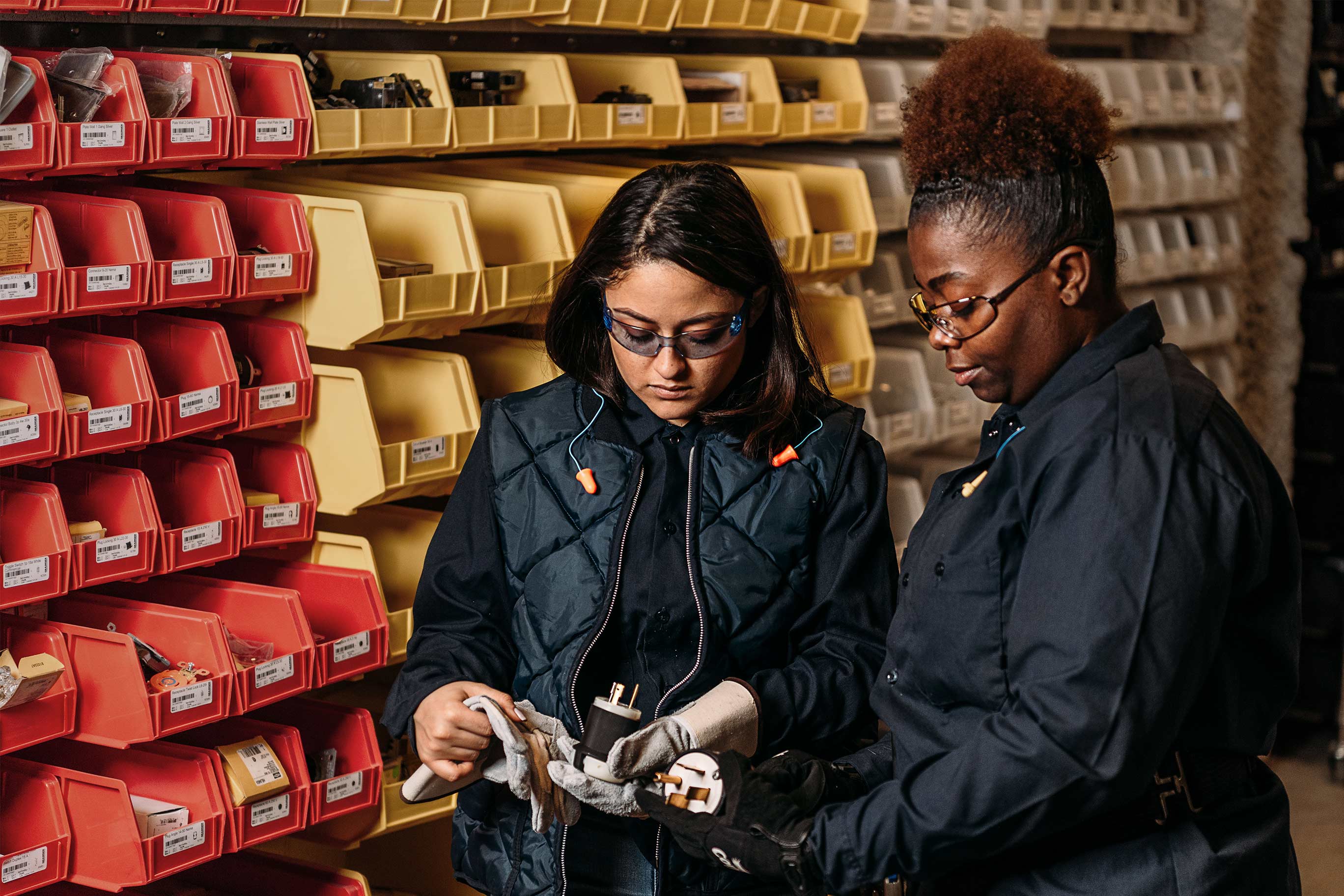
PPE in the Workplace
Gender-Specific PPE: Finding PPE Fit for Women
Learn why properly fitting PPE for women helps improve safety, comfort and compliance and how employers can support access to gear that fits.

![]() Our Latest KnowHow
Our Latest KnowHow

The Complete Tool Storage and Organization Guide
Storing tools the right way makes life easier. Tool storage cabinets, tool chests and lockers are just the beginning to storage and organization.


The information contained in this article is intended for general information purposes only and is based on information available as of the initial date of publication. No representation is made that the information or references are complete or remain current. This article is not a substitute for review of current applicable government regulations, industry standards, or other standards specific to your business and/or activities and should not be construed as legal advice or opinion. Readers with specific questions should refer to the applicable standards or consult with an attorney.


CONNECT WITH US




SIGN UP FOR EMAIL
Get more great content in your inbox.