


What Are All of Those Gadgets on a Multitool?
By Grainger Editorial Staff 3/9/26
Multitools combine many functions into one compact tool, saving space in toolboxes and pockets. This guide outlines common multitool types to help professionals choose the right option for everyday maintenance and repair tasks.
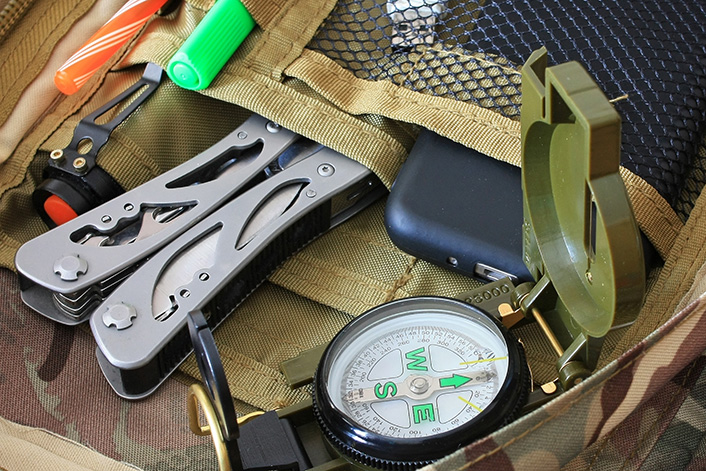
Do you have a multitool? If you don't or if you just haven't given them much thought, maybe it’s time to reconsider these versatile gadgets. Multitools can help economize space in your toolbox or workspace by providing numerous implements in one small (sometimes really small) foldable tool. When closed, many multitools measure 5 inches or less, and some can perform more than 20 tasks. That's a lot of utility in a size comparable to a hot dog on a bun. So how do you choose among the many options available?
Multitools typically have one primary use, with many adjacent tools included. Narrowing down your choices may be as simple as focusing on the tool's main purpose, while also thinking about other tasks you do regularly. Many multitools are made of stainless steel so they can stand up to a lot of use, and they can have accessory kits that can expand their utility.
Categories of multitools include but are not limited to: multitools with fold-out pliers; multitools with slide-out pliers; multitool folding knives, scissors and bracelets. Along with the typical multitool gadgets like a pocket knife and bottle opener, certain models offer niche features such as a fish scalar, an oxygen tank wrench, a ruler and even a ballpoint pen.
Here’s a look at a small sampling of some common multitools available and their applications.
| Multitool | Number of Tools | Tool Family Included | Closed Length |
|---|---|---|---|
|
21 |
|
4 1/2 in. |
|
|
16 |
|
4 3/4 in. |
|
|
16 |
|
3 1/2 in. |
|
|
6 |
|
3 1/2 in. |


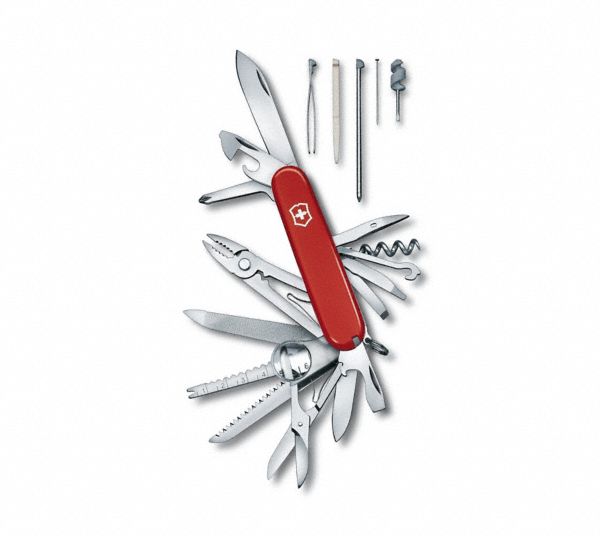

The next time you have to saw, cut, pry, open a bottle or perform any of 20 other random tasks, that multitool in your toolbox will probably have you covered. And don't forget to take it with you on your next camping trip!
Get more practical KnowHow on tools and equipment here.
PPE in the Workplace
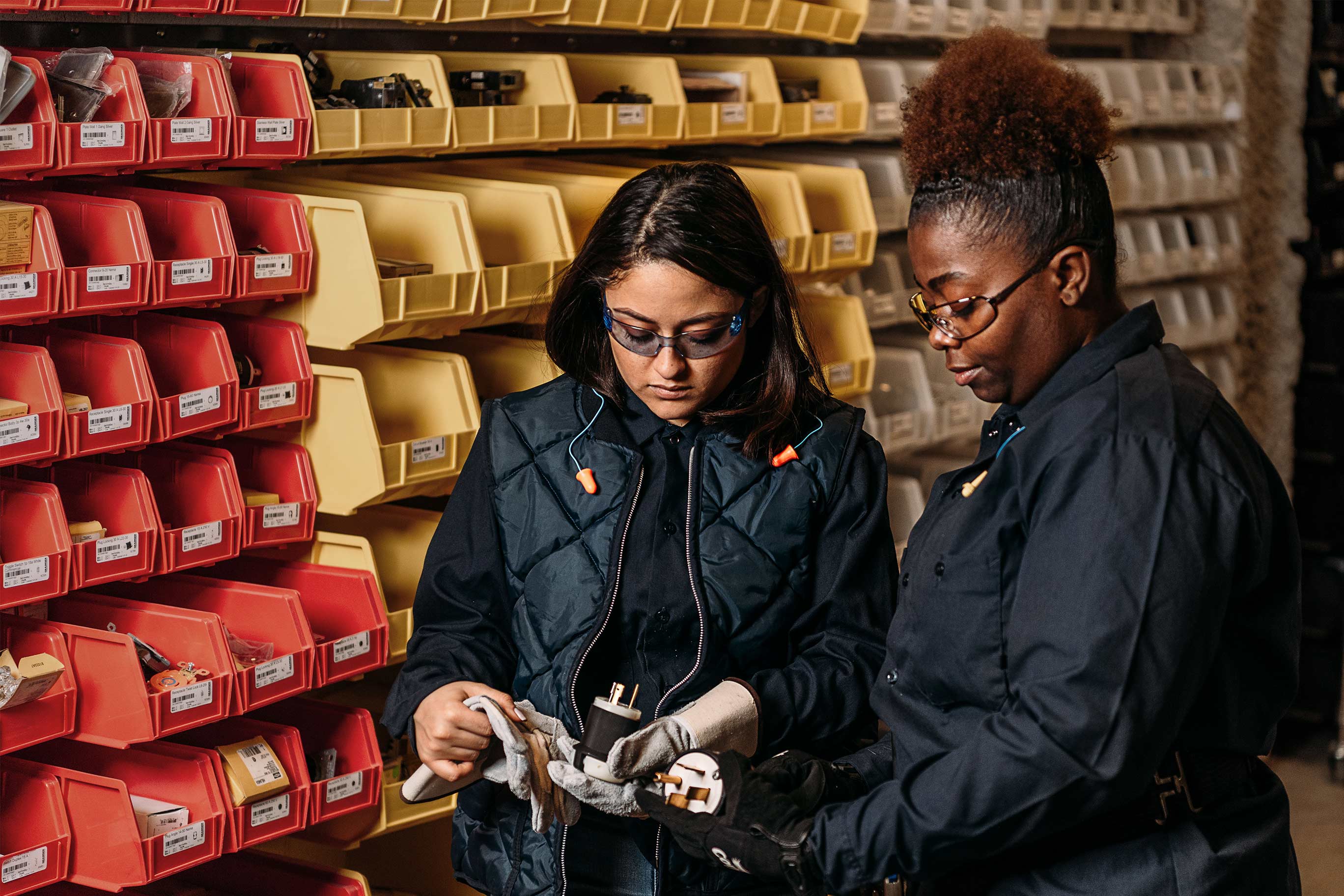
Gender-Specific PPE: Finding PPE Fit for Women
Learn why properly fitting PPE for women helps improve safety, comfort and compliance and how employers can support access to gear that fits.
![]() Our Latest KnowHow
Our Latest KnowHow
The Complete Tool Storage and Organization Guide
Storing tools the right way makes life easier. Tool storage cabinets, tool chests and lockers are just the beginning to storage and organization.

The information contained in this article is intended for general information purposes only and is based on information available as of the initial date of publication. No representation is made that the information or references are complete or remain current. This article is not a substitute for review of current applicable government regulations, industry standards, or other standards specific to your business and/or activities and should not be construed as legal advice or opinion. Readers with specific questions should refer to the applicable standards or consult with an attorney.


CONNECT WITH US




SIGN UP FOR EMAIL
Get more great content in your inbox.