



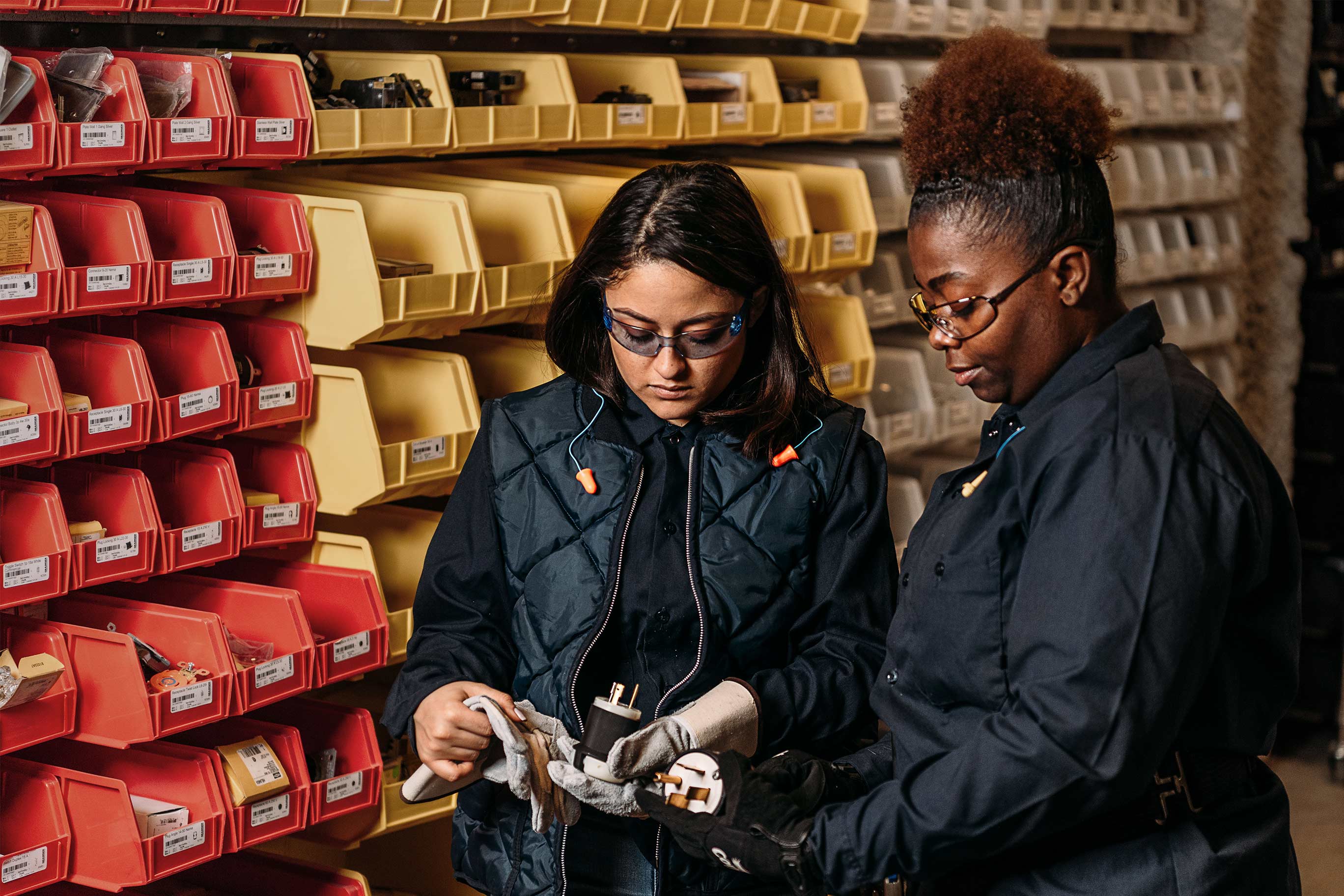
Gender-Specific PPE: Finding PPE Fit for Women
By Grainger Editorial Staff 3/17/26
Not all PPE is designed to fit every worker the same way. Learn why properly fitting, gender-specific PPE matters for safety, comfort and compliance, and how employers can help ensure women have access to protective equipment that truly fits.
Using the right tool for the job doesn’t stop at drills, drivers and angle grinders. PPE is an essential layer of protection for workers in every industry, helping ensure they complete their tasks safely and successfully. However, not all PPE is equally suited to every worker.
As women’s participation continues to grow across manufacturing, construction, healthcare and other professions, access to properly fitting PPE remains a persistent challenge. For example, a 2023 survey by the Center for Construction Research and Training (CPWR) found that 89 percent of tradeswomen had difficulty getting PPE that fit, and 77 percent reported hazard exposure as a result.
While the root of this issue can be traced back more than 70 years, there are signs that society and industries are beginning to meet the needs of the modern workplace.
Using Data from the 1950s
Selecting the right PPE for women comes down to physiology. According to ANSI/ASSP TR-Z590.6-2023, anthropometry -- the science that defines a person’s size, body shape and functional capacities -- is an essential element of PPE design and occupational injury protection. However, PPE has traditionally been designed and manufactured using anthropometric data that reflected a narrower range of body types.
Much of the data used to develop PPE by the National Institute for Occupational Safety and Health (NIOSH) has historically relied on anthropometric studies of military personnel conducted in the 1950s to 1970s. NIOSH notes that safety researchers have generally relied on military data to help inform workplace and PPE design, even though substantial variability exists across today’s workforce. This data has also been used to help determine the fit of machines, vehicles and PPE.
Designs that do not account for variations in body size and shape may not always provide adequate protection. NIOSH explains that when PPE does not fit correctly, it can’t sufficiently protect workers from health and safety exposures or hazards.
Experts note the lack of properly fitting clothing for female workers may be due to employers and manufacturers adapting to a rapidly evolving workplace where women are increasingly entering less traditional work environments and professions that were previously male-dominated. Safety professionals continue to raise awareness that workers must have access to properly fitting PPE to help ensure safety, comfort and compliance on the job.
The Problem With the ‘One Size Smaller’
To help bring awareness to women’s unique PPE needs, industry experts have outlined the sizing differences between men’s and women’s bodies and how they can impact the fit and overall safety of personal protective equipment.
Women may have narrower shoulders than men but need more room in the chest. Likewise, women’s torsos are often shorter than men’s, but women usually have wider hips than men. Gloves are another area where the differences are small but meaningful. Women typically have smaller hands, narrower fingers and different finger length proportions compared to men.
Altogether, these differences call for garments and other PPE equipment to be tailored for the shape of women’s bodies, not just generally sized down. According to Safety+Health magazine, simply downsizing men’s PPE, a long-standing industry rule of thumb, doesn’t fully account for these functional fit differences.
For years, many PPE manufacturers and industry employers have suggested that women purchase men’s PPE garments one size smaller than they would typically wear. However, this recommendation isn’t ideal based on the sizing comparisons above. Garments that fit in the chest, for example, may be too large in the shoulders or too narrow at the hip, while work gloves that fit across the hand may have longer fingers than necessary.
Purchasing PPE one size smaller amounts to more than just work gear that doesn’t look quite right on a female body. Ill-fitting PPE prevents the wearer from moving comfortably and efficiently in their tasks. More importantly, gear that doesn’t fit properly can also lead to safety hazards, such as:
- Extra material from oversized garments could snag on machinery.
- Gloves that don’t fit the hand properly can cause the wearer to drop or mishandle materials.
- Improperly sized head, eye and hearing protection may not perform correctly for the wearer or could slip down or fall off, causing accidents.
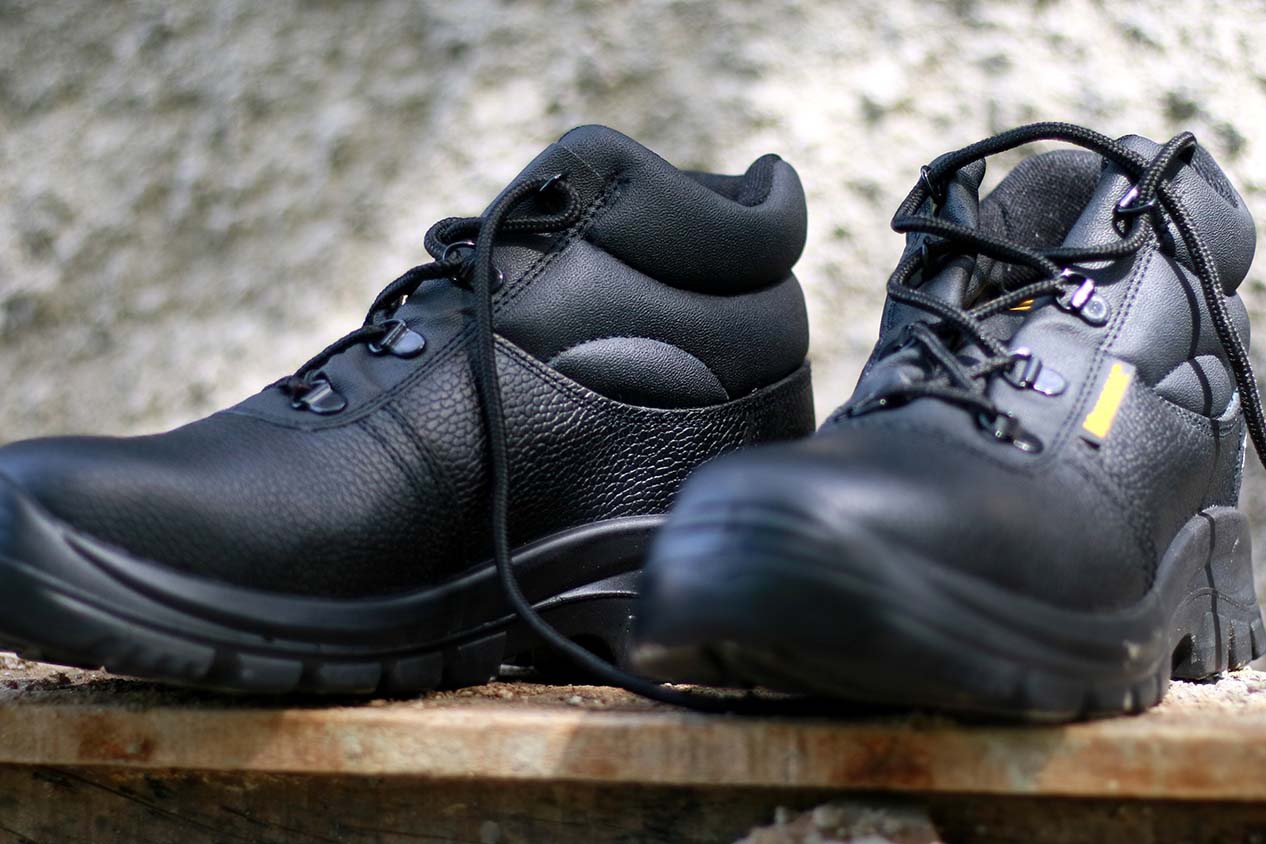
- Footwear primarily designed for men can cause problems for female wearers, including trouble walking, blisters and steel toe protection that doesn’t adequately cover the toe.
- Improperly sized safety vests and fall harnesses can increase the risk of injury or harm.
Employees frequently cite comfort as a major factor in how likely they are to wear their PPE. OSHA’s 2024 final rule for the construction industry clarifies that PPE must properly fit each worker, reinforcing employer responsibility around sizing and fit. OSHA guidance also emphasizes that proper fit is essential to provide effective protection and encourage worker use. Employers are responsible for ensuring PPE is available in appropriate sizes and accessible to all workers.
Other Costs of Ill-Fitting PPE
Beyond the safety and comfort concerns, ill-fitting PPE may lead to a host of problems for women.
Safety + Health Magazine noted that improperly fitting equipment such as heavy work boots, respirators and body protectors can contribute to musculoskeletal strain and injuries like sprains and discomfort due to poor fit. Poorly fitting PPE can also distract wearers and compromise safety performance.
Some research has shown that ill-fitting PPE can hinder work, make tasks more difficult and, in some cases, discourage consistent use of protective gear. When workers struggle with discomfort or limited mobility due to improperly sized equipment, they may modify gear in unsafe ways or avoid wearing it altogether, which can further increase their risk of injury.
Safety experts also note that when PPE doesn’t fit well, it can affect workers’ confidence and comfort on the job, contributing to decreased productivity and lower compliance with safety practices.
Awareness Helps Drive Changes
In the U.S. and globally, this matter is receiving increasing attention. Standards development and industry groups have emphasized the importance of inclusive PPE design to support a diverse workforce. According to the International Safety Equipment Association (ISEA), modern PPE is engineered to fit workers of varying body sizes and shapes, and industry discussions now include input from experts, regulators and manufacturers to improve access to properly fitting equipment.
Standards organizations, including ASTM International and ISO, continue collaborating on guidance that supports more inclusive PPE design, reflecting variations in body shape and functional needs.
Examples of emerging PPE for women include:
- Protective clothing like arc flash and flame-resistant shirts, pants, sweatshirts and jackets now feature tailoring designed to better fit women, improving comfort and movement.
- General-purpose gloves, including knit, leather, and mechanics, as well as for some special tasks such as welding, have options designed for women.
- Footwear designed for women is available for safety and comfort in various applications, including safety-toe work boots and shoes, plain-toe boots and shoes, and insoles.
- Bib overalls and work jeans in women’s sizes make daily activities more comfortable and convenient, thanks to adequately placed zippers and pockets and better-fitting waistbands and pant lengths.
- Heated jackets, welding jackets, vests and other general workwear, including work shirts, scrubs, lab coats and high-visibility vests and jackets, are now being designed with women in mind, thanks to sizing that better reflects female body proportions in the shoulders, chest, waist and hip areas.
- There is also a growing focus on providing safety apparel designed to accommodate pregnancy, menopause, disability and cultural or religious considerations that may require specific fit or coverage.
ISEA also advises PPE fit should be communicated so that a worker can understand their size, and employers should make an effort to purchase the sizes needed, no matter the quantity.
Industry collaboration for women’s PPE is also expanding. The Alliance of Women's Safety Apparel Manufacturers (AWSAM), a non-profit organization formed in 2024, brings together specialty manufacturers and distributors focused on improving access to properly designed and fitted PPE for women. Efforts like these reflect a broader shift toward recognizing that proper fit is an essential requirement for all workers.
As workforce demographics continue to evolve, ensuring access to properly fitting PPE remains fundamental to protecting workers, supporting compliance and enabling them to perform their jobs safely and confidently.
PPE in the Workplace
Gender-Specific PPE: Finding PPE Fit for Women
Learn why properly fitting PPE for women helps improve safety, comfort and compliance and how employers can support access to gear that fits.
![]() Our Latest KnowHow
Our Latest KnowHow
The Complete Tool Storage and Organization Guide
Storing tools the right way makes life easier. Tool storage cabinets, tool chests and lockers are just the beginning to storage and organization.


The information contained in this article is intended for general information purposes only and is based on information available as of the initial date of publication. No representation is made that the information or references are complete or remain current. This article is not a substitute for review of current applicable government regulations, industry standards, or other standards specific to your business and/or activities and should not be construed as legal advice or opinion. Readers with specific questions should refer to the applicable standards or consult with an attorney.


CONNECT WITH US




SIGN UP FOR EMAIL
Get more great content in your inbox.